08 February 2022
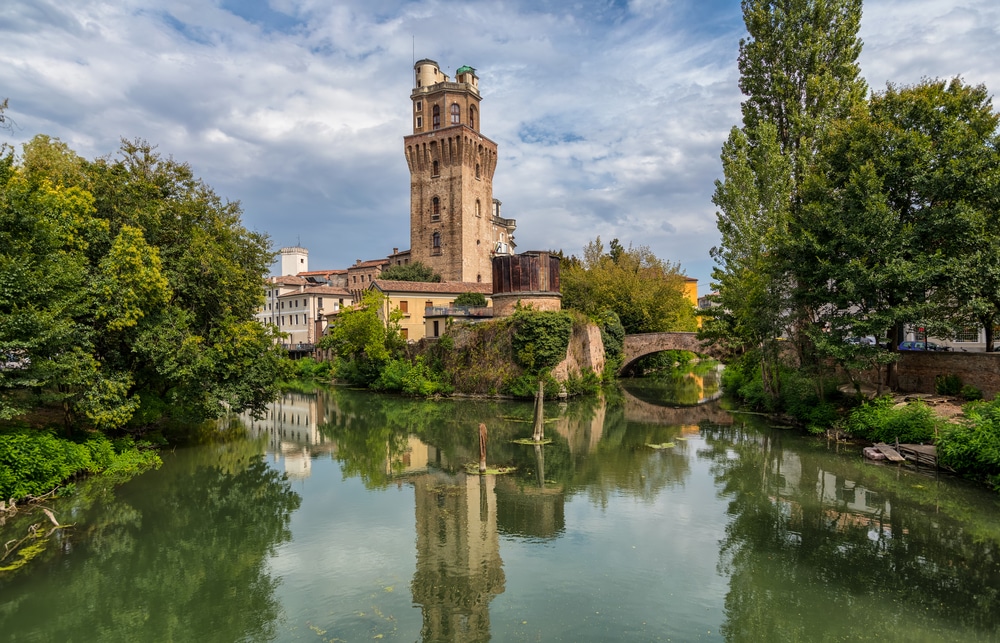

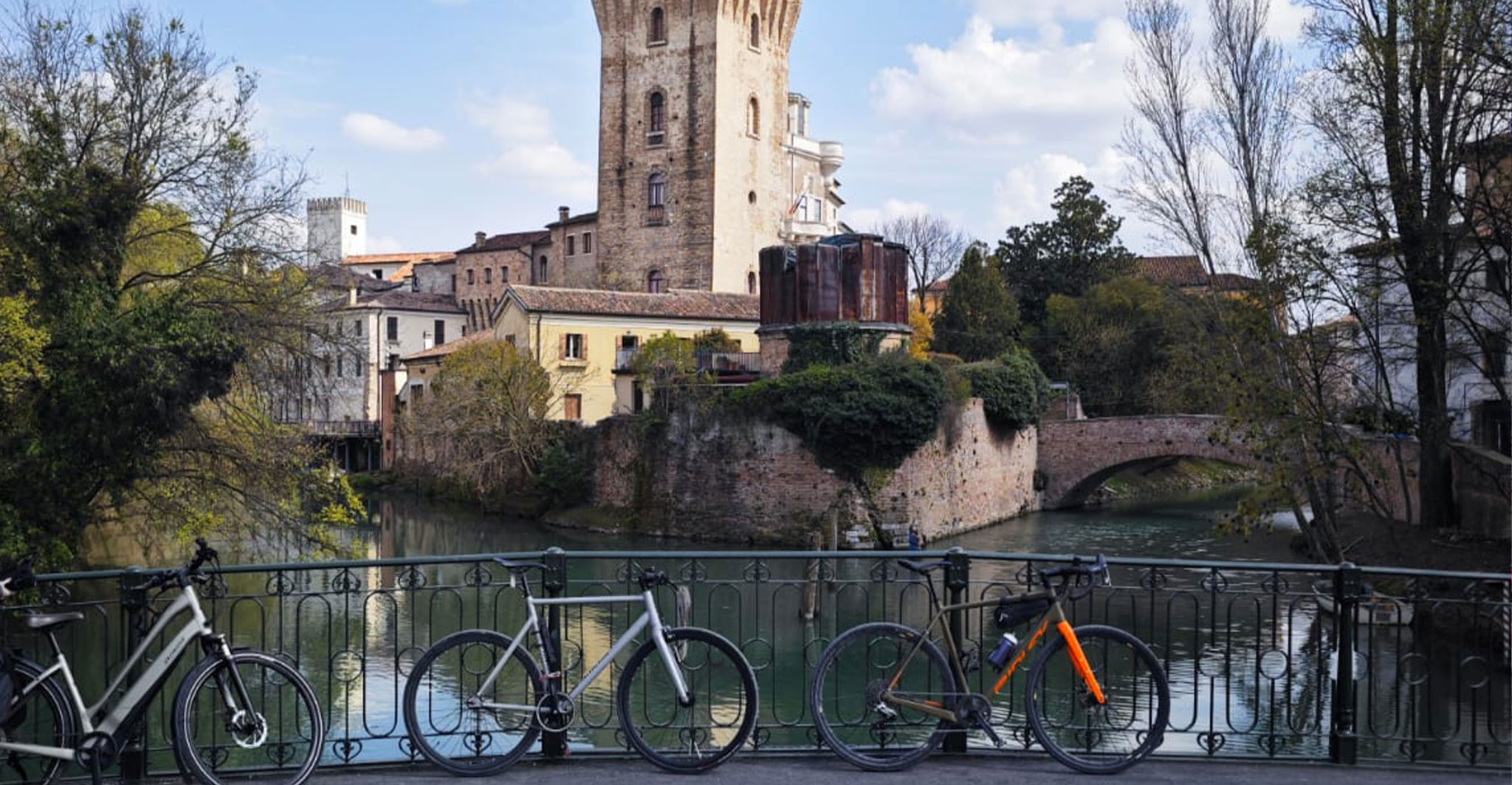
We chose as the emblem of our marathon this slender tower, which you encounter just a few kilometers from the start, at the gates of Padua: it is the tower of the Astronomical Observatory of the University of Padua, commonly known as the “Specola.” It is an ancient monument that, throughout its history, has undergone many transformations and uses due to its strategic position controlling access to the southern part of the city, where the Bacchiglione River—the river of the Padova Water Marathon—enters.
The tower was part of the first city walls from the Roman era, later incorporated into a fortified complex in the 10th century, and then included in the medieval communal walls. It later became an urban castle during the rule of the tyrant Ezzelino da Romano in 1242. It reached its peak during the long Carrarese period before losing much of its importance when Padua was conquered by Venice in 1405. It was used for a long time as a barracks and later, during the Napoleonic period, as a prison, which remained in use until relatively recent times. Today, a major restoration project is underway to transform it into a large cultural center that will host a modern art museum, the frescoed halls of the Carrarese palace, and a spacious inner courtyard that will become a public space open to the city.
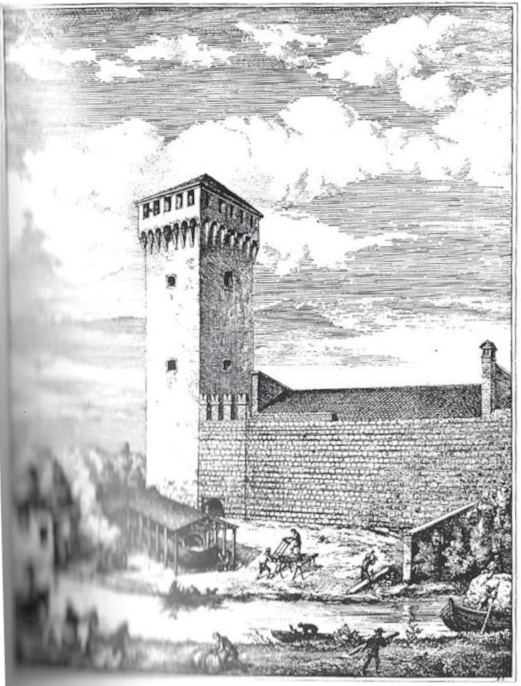
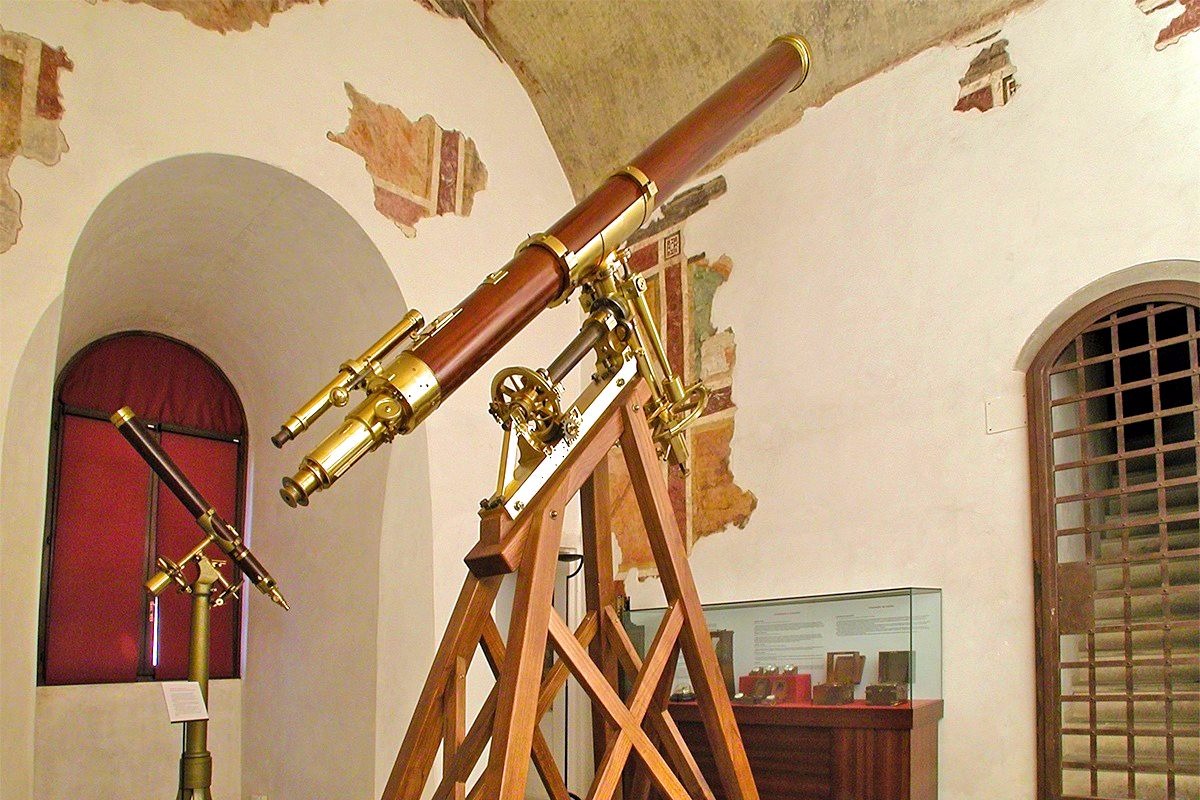
In 1761, the Senate of the Republic of Venice decreed the transformation of the castle tower, the ancient “Torlonga,” into an astronomical observatory and entrusted the Professor of Astronomy at the “Bo,” Abbot Giuseppe Toaldo, with adapting it for its new purpose. After visiting the most important observatories in Italy, Toaldo commissioned the Vicenza-based architect Domenico Cerato—one of the most renowned architects of the time, who was also working on the famous Prato della Valle square and the new Giustiniano Hospital—to develop the project.
The transformation involved the demolition of the battlements and the walkway, the elevation of the brick tower, and the construction of a new terrace supporting the octagonal hall, eight meters high—the “Hall of Figures”—located 35 meters above ground, with six large windows allowing observation of the sky from every angle. The staircase leading to the top of the tower is illuminated by large rusticated windows opening along its sides.